


Pop-up Animals Button Game
The Pop-up Animals Button Game is a classic cause-and-effect toy featuring a row of animal characters hidden inside small compartments. To make each animal “pop up,” a child must interact with a specific button, switch, dial, or lever.
- Estimated Delivery : Up to 4 business days
- In Dhaka City Express Delivery Possible
While it looks simple, it is a sophisticated tool for early developmental milestones. Here are the primary benefits Pop-up Animals Button Game for kids:
1. Mastery of Cause and Effect
This is the most direct benefit of a Pop-up Animals Button Game. A child learns that a specific physical action leads to an immediate, predictable result.
-
Cognitive Mapping: The child begins to understand that they can influence their environment.
-
Predictive Thinking: Eventually, the child anticipates which animal will appear before they even touch the button, building early memory and logic.
2. Diverse Fine Motor Movements
Unlike toys that only require a “push,” Pop-up Animals Button Game games usually feature 4 or 5 different mechanical actions:
-
The Push: Pressing a standard button.
-
The Slide: Moving a horizontal or vertical switch.
-
The Turn: Rotating a dial or knob.
-
The Flip: Flicking a toggle switch.
-
The Twist: Turning a key-like mechanism. Each of these actions uses different hand muscles and improves finger isolation and wrist flexibility.
3. Cognitive Categorization & Memory
As children play, they begin to categorize the animals and the actions associated with them.
-
Color Matching: Many pop-up toys color-code the button to the animal (e.g., a blue button pops up a blue hippo), which reinforces color recognition.
-
Object Permanence: Even when the animals are hidden, the child learns they still exist inside the box, a crucial stage in cognitive development.
4. Language Development & Social Play
Pop-up toys are excellent “conversation starters” between a caregiver and a child.
-
Animal Identification: Learning the names of animals (lion, elephant, monkey) and the sounds they make.
-
Prepositions: Using words like “up,” “down,” “in,” and “out” to describe the action.
-
Surprise & Engagement: The “peek-a-boo” nature of the toy encourages social interaction, laughter, and imitation.
5. Sensory Processing
The tactile “click” of the switches and the “thump” of the animal popping up provide important sensory feedback.
-
Auditory Stimulation: The mechanical sounds help children associate physical movement with sound.
-
Visual Tracking: The sudden upward movement of the animal encourages the eyes to track and focus quickly.
Be the first to review “Pop-up Animals Button Game”
Related products
-
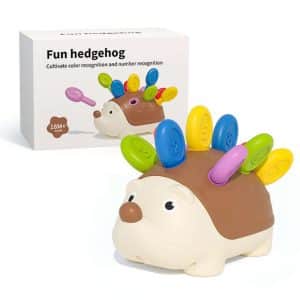
Hedgehog Plug Toy
Original price was: 650৳ .590৳ Current price is: 590৳ . -
Finger Puppet Toy
Original price was: 400৳ .350৳ Current price is: 350৳ . -
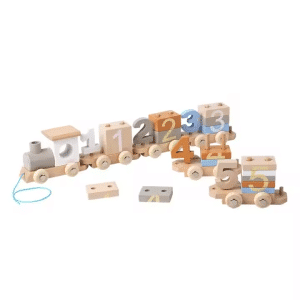
Wooden Train Toys building blocks
Original price was: 2,200৳ .1,750৳ Current price is: 1,750৳ . -
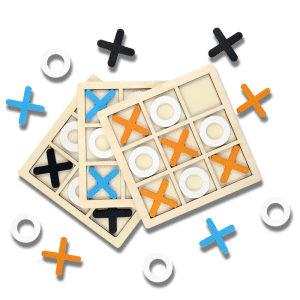
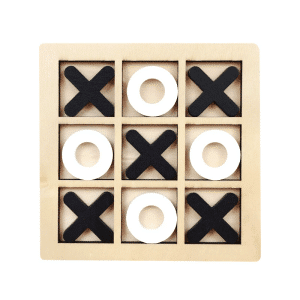
Wooden Tic Tac Toy
Original price was: 150৳ .120৳ Current price is: 120৳ . -
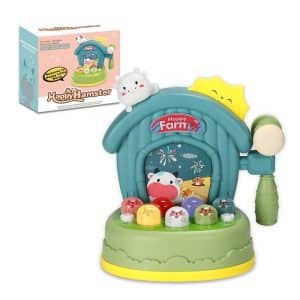
Music Happy Hammer
Original price was: 890৳ .790৳ Current price is: 790৳ .





Reviews
There are no reviews yet.