
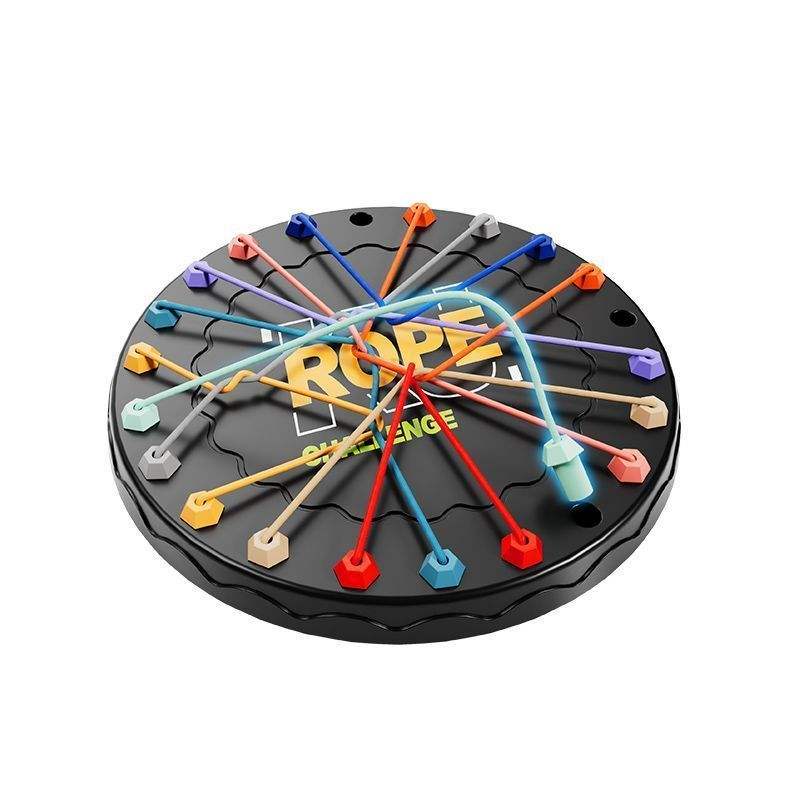
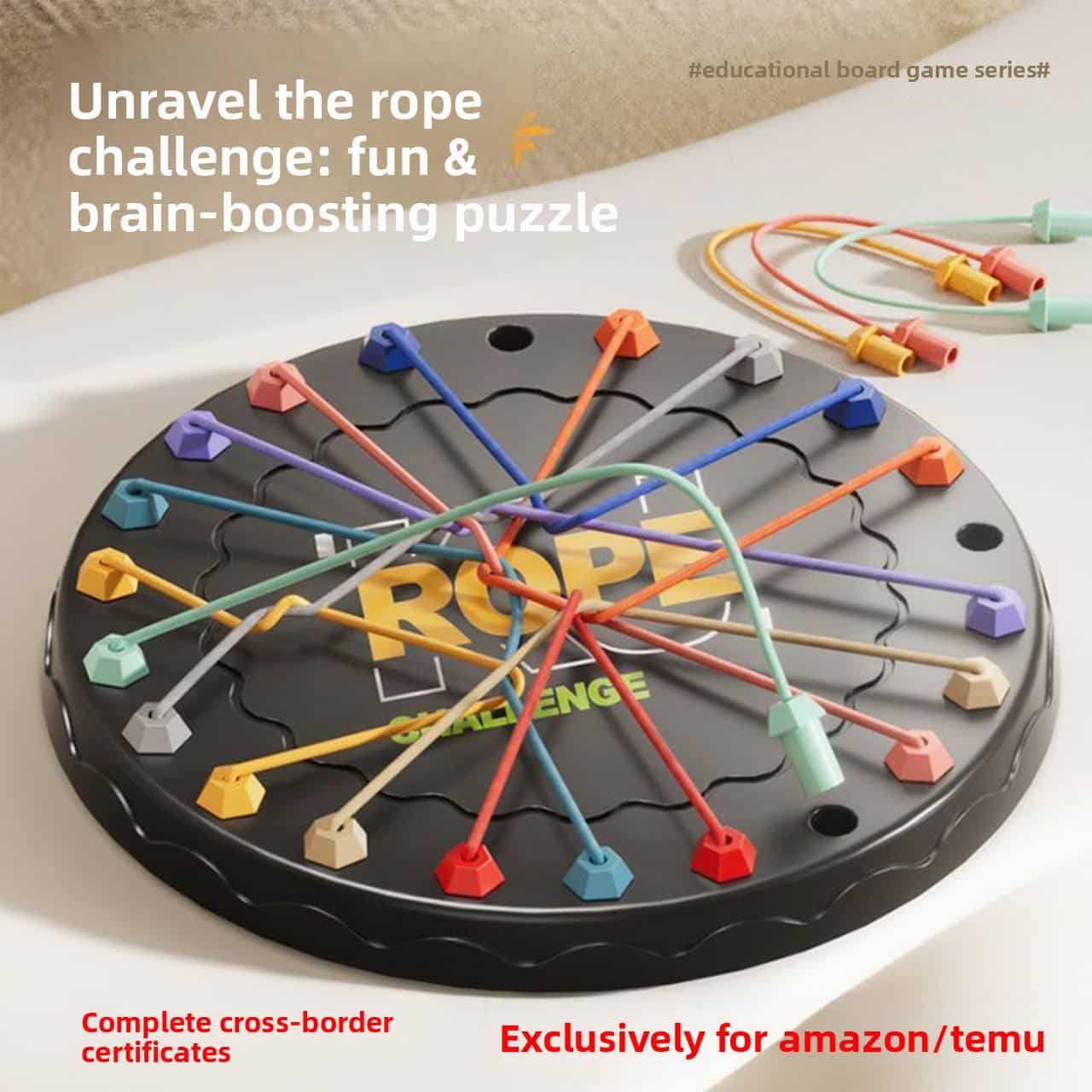
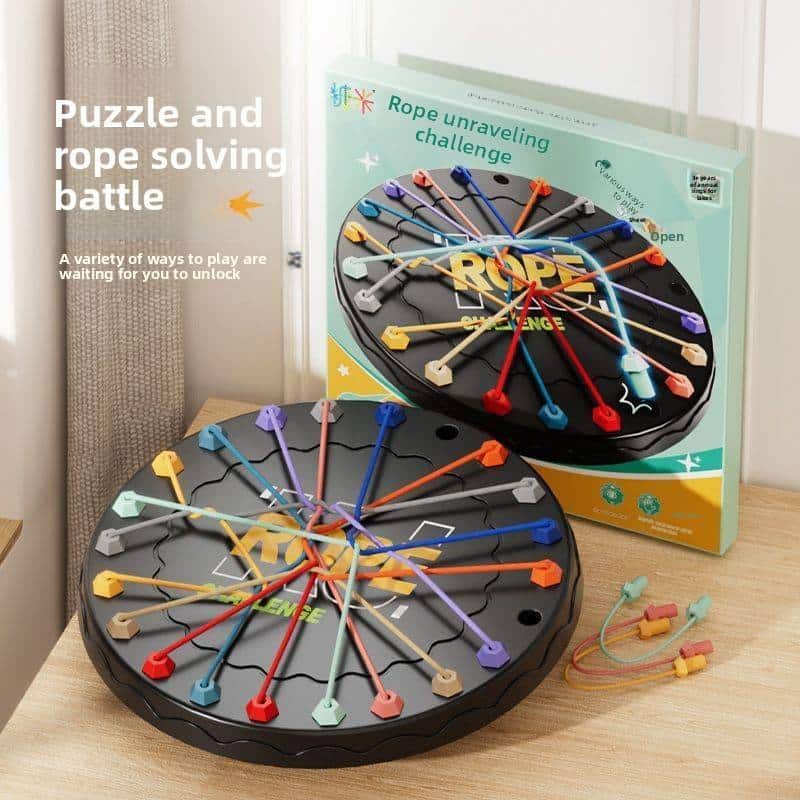
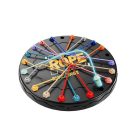

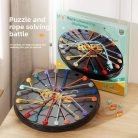

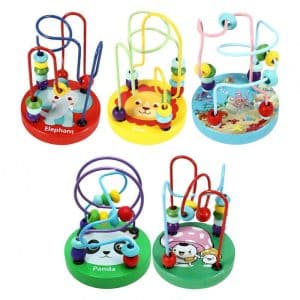
Rope Game Logical Thinking Toy
Rope Game Logical Thinking Toys—including rope untangling puzzles, threading challenge boards, and wooden disentanglement games—are fantastic brain trainers. Typically designed for kids aged 4 to 10+ years old (depending on the complexity), these toys move away from digital screens and challenge a child’s brain to solve physical, three-dimensional problems.
- Estimated Delivery : Up to 4 business days
- In Dhaka City Express Delivery Possible
1. Spatial-Visual Reasoning & 3D Geometry
Unlike flat puzzles, rope games require a child to think in 3D. They must mentally rotate shapes and trace paths in their mind before physically moving the rope. Understanding concepts like over, under, through, around, inside, and outside strengthens their spatial intelligence, which is a core foundation for future STEM learning.
2. Sequential Planning & Executive Function
You cannot solve a logical rope puzzle with random guessing; hasty moves usually result in a tighter knot. To succeed, children must develop a plan:
-
Analyze: Look at how the rope intersects with the board, pegs, or wooden blocks.
-
Predict: “If I pull this loop through here, what happens next?”
-
Execute: Carry out the steps in a strict, logical sequence. This trains the brain’s executive functioning skills and working memory.
3. High-Level Problem-Solving & Trial Analysis
Rope logic games teach children how to handle complex setbacks. When a chosen path fails, the child has to analyze why it failed, backtrack, and formulate an alternative hypothesis. This introduces them to the basics of scientific thinking and structural debugging.
4. Frustration Tolerance, Patience, and Grit
Because these puzzles can be genuinely challenging, they serve as excellent emotional regulation tools. They teach kids that failure is just a data point. Sticking with a difficult puzzle until the rope pops free builds immense psychological resilience, focus, and a profound sense of intrinsic reward (“I figured it out myself!”).
5. Advanced Fine Motor Skills & Finger Dexterity
Manipulating a flexible, shifting material like rope or thread through small holes, around tight pegs, or over wooden rings requires delicate hand control. This sharpens finger dexterity, grip adjustment, and two-handed coordination, helping refine the fine motor skills required for complex manual tasks.
6. Clean, Screen-Free Cognitive Focus
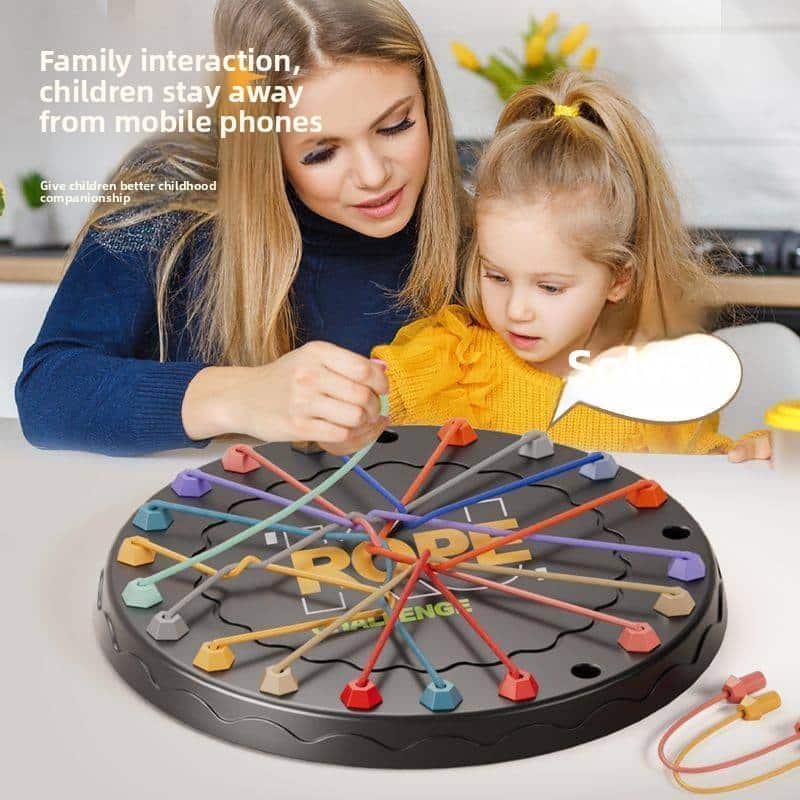
Rope logic puzzles offer an engaging alternative to video games. They provide the same satisfying dopamine hit of completing a difficult “level” or solving a riddle, but do so completely offline, allowing children to practice deep, uninterrupted attention spans.
Be the first to review “Rope Game Logical Thinking Toy”
Related products
-
Colorful Vegetable Memory Game
Original price was: 1,750৳ .1,450৳ Current price is: 1,450৳ . -
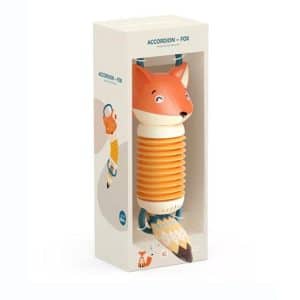
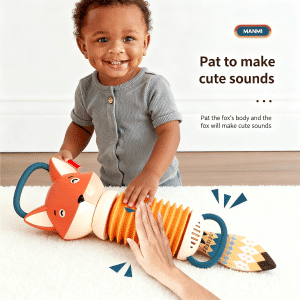
Fox Accordion Music Toy
Original price was: 1,550৳ .1,390৳ Current price is: 1,390৳ . -

-
Busy Book
Price range: 1,350৳ through 1,450৳ -
Hedgehog Plug Toy
Original price was: 650৳ .590৳ Current price is: 590৳ .







Reviews
There are no reviews yet.